Vinyl Wrap vs Plasti Dip: Cost, Durability, and Removal Compared
An honest comparison of vinyl wrap and Plasti Dip — real costs, how long each actually lasts, what the finish looks like up close, and what removal is like years later.
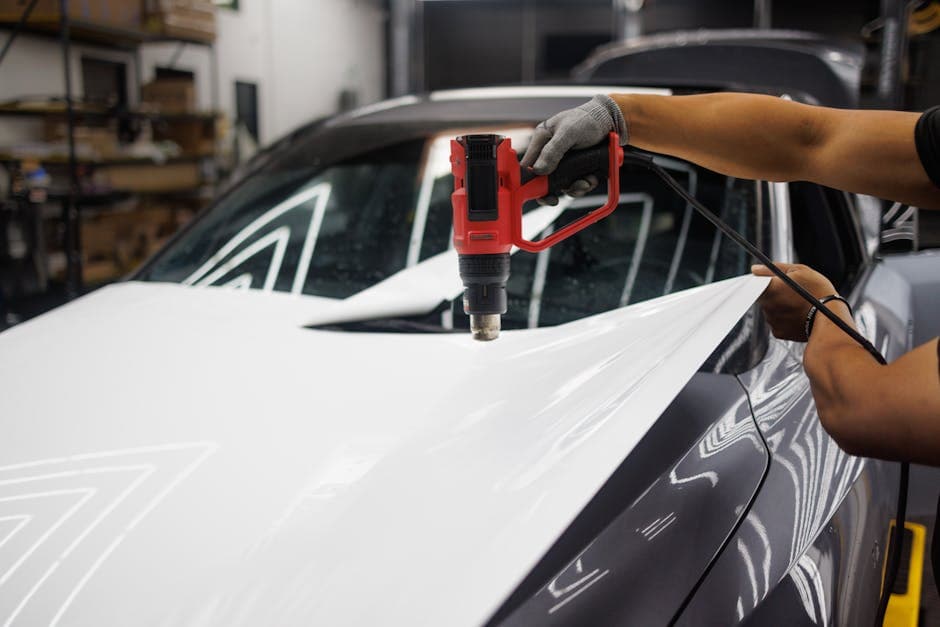
Table of Contents
Plasti Dip is the $500 answer to the $3,500 question, and that gap is exactly why this comparison gets searched so much. Both change your car's color and both peel off — but they're different products for different situations, and the honest comparison isn't close on most dimensions. (Weighing a wrap against permanent paint instead? That's vinyl wrap vs paint — this one is strictly the two removable options.)
What Each One Actually Is
Plasti Dip is a rubberized coating you spray on — multiple coats built up over the paint, forming a peelable rubber skin. It started as a tool-handle coating and became a car product because it peels off without damaging what's underneath (when applied correctly).
Vinyl wrap is a manufactured film — color, texture, and protective laminate engineered into a sheet that trained hands stretch and adhere to each panel. The finish comes off a production line, not out of a spray can.
Cost
| Plasti Dip | Vinyl wrap | |
|---|---|---|
| DIY, full car | $300–$700 in materials | $500–$1,200 film + tools, plus real skill |
| Professional, full car | $1,000–$2,500 | $3,000–$3,500 |
Dip wins the upfront number, clearly. DIY dip is also genuinely accessible in a way DIY wrap is not — spraying coats onto a masked car is a patient afternoon; wrapping a car is a skilled trade. That accessibility is the product's real appeal.
Durability
- •Plasti Dip: roughly 1–3 years on a daily driver, and the ends are ugly — dip chips and tears at edges, wheel wells, and rock-impact zones, and picks up permanent stains from fuel drips and some chemicals. Pressure washing can peel thin spots. It degrades panel by panel, so the car wears out visibly and unevenly.
- •Vinyl wrap: 5–7 years on quality film with normal care, with laminate protecting the color the whole way. Wraps fail at edges too — but years later, not months.
Per year of good-looking finish, the costs are much closer than the sticker prices suggest.
Finish
Up close, this is the biggest gap. Dip dries to a rubbery matte or satin texture — often slightly orange-peeled, visibly hand-applied, soft to the touch. Some people like the look; nobody mistakes it for paint. Vinyl in gloss reads as paint to almost everyone, and the catalog runs from gloss to satin, matte, metallic, color-shift, and printed graphics — none of which a rattle can reproduces. Dip also can't do commercial branding at any acceptable quality.
Removal: Both Peel. Differently.
Removal is dip's whole sales pitch, so here's the honest version:
- •Plasti Dip peels beautifully if it was sprayed thick (4–5+ coats) and comes off within a couple of years. Sprayed thin, it shreds into confetti-sized flakes you pick off with your fingernails, panel by panel. Baked on for years, it can bond down and fight you. The peel you saw on YouTube was thick, fresh dip.
- •Vinyl wrap removes cleanly with heat and patience within its rated life, leaving factory paint as it was — the removal process is well-established, and professional removal runs $400–$800. The same aging caveat applies: film left on far past its lifespan gets brittle and slow to remove.
Fresh and properly applied, both come off fine. The difference is consistency: wrap removal is predictable trade work; dip removal is a coin flip weighted by how well the original spray job was done.
What About the Paint Underneath?
Both products are marketed as paint-safe, and both mostly are — with the same asterisk. Healthy factory paint handles either fine. Compromised paint doesn't: dip sprayed over chips and flaking clear coat seals against damaged surfaces unevenly, and peeling it later can take loose material with it, exactly the way an aging wrap can pull failing clear coat. Fresh resprays are the other caution — paint needs to fully cure before either product goes on. If your paint is already in trouble, neither of these is a bandage; they're both a way to make the eventual reckoning slightly worse.
The Quick Matrix
| Plasti Dip | Vinyl wrap | |
|---|---|---|
| Upfront cost | $300–$700 DIY, $1,000–$2,500 pro | $3,000–$3,500 pro |
| Realistic lifespan | 1–3 years | 5–7 years |
| Finish quality | Rubbery, hand-applied | Paint-like, manufactured |
| Finish options | Matte/satin, limited colors | Gloss, satin, matte, metallic, printed |
| DIY-friendly | Yes | Not realistically |
| Removal | Great fresh and thick; ugly thin or old | Clean and predictable within lifespan |
| Commercial branding | No | Yes |
The Honest Recommendation
Plasti Dip makes sense when the budget is a few hundred dollars, the car is a project or a short-term experiment, you're doing it yourself, and you accept a hand-sprayed rubber finish that lives 1–3 years. Dipped wheels in particular remain a great cheap mod.
Vinyl wrap makes sense when you want a finish people mistake for paint, a color that lasts 5+ years, branding of any kind, or resale value protected by clean, predictable removal. If the plan is "dip it now, wrap it later," price the wrap first — a full color change at $3,000–$3,500 costs less than two rounds of professional dip and outlives both.
The two products aren't really competitors. One is a temporary coating; the other is a finish. Decide which one you're actually shopping for, and the choice makes itself.
If the answer is a wrap, price it properly first — real ranges for your exact vehicle beat a number guessed over the phone. See wrap costs →

The Wraptor Team
Wrap-industry veterans
The Wraptor team is made up of wrap-industry veterans — shop owners, installers, and designers — writing about pricing, materials, and shop operations from inside the trade.
▚ Keep reading · For Wrap Buyers
▚ Next steps
The Wraptor Newsletter
Pricing data, material tips, and business strategies delivered weekly.