How Much Does a Motorcycle Wrap Cost in 2026?
Motorcycle wraps cost less than car wraps but take longer per square foot. Here's what shops charge, what affects pricing, and where the margin actually comes from.
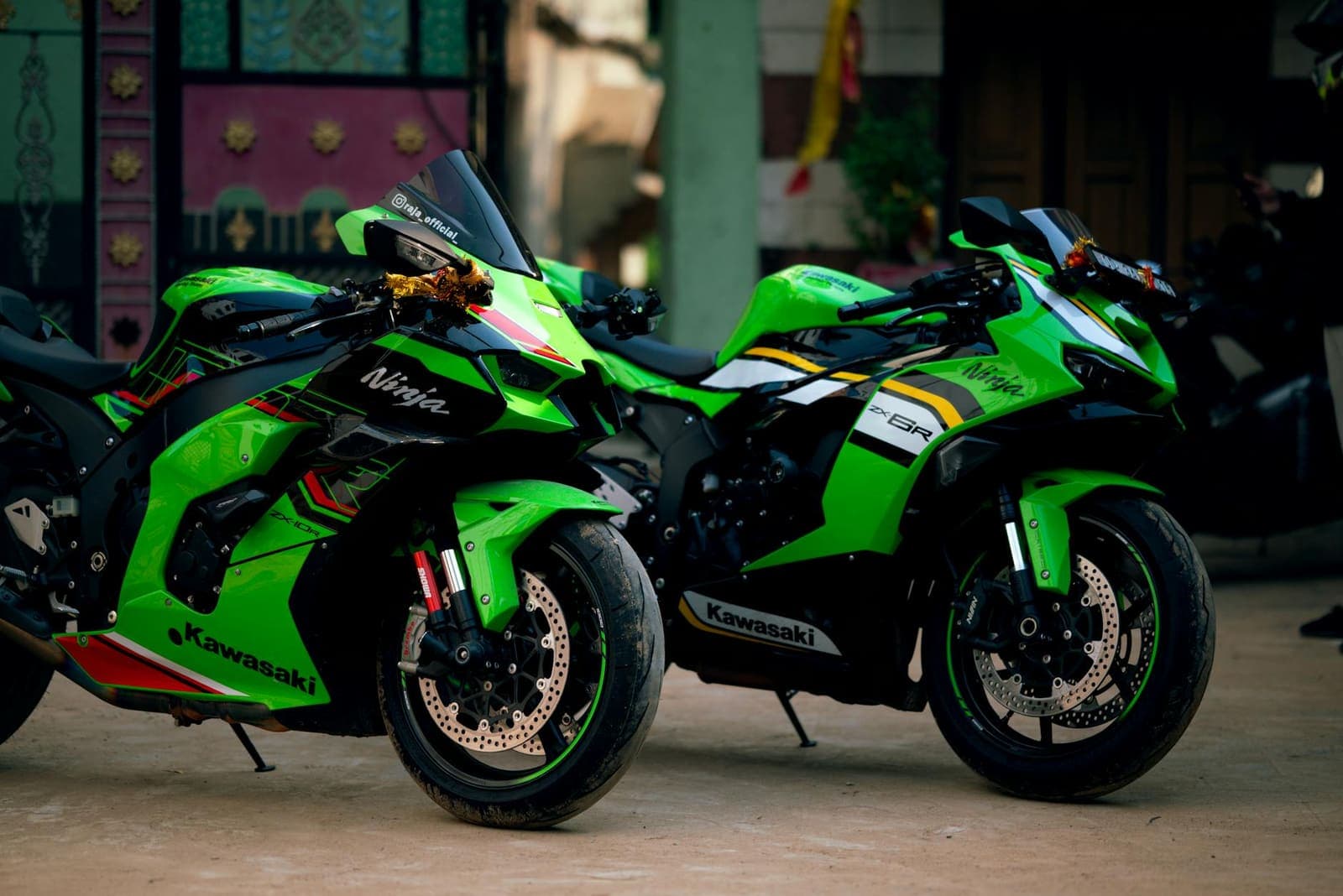
Table of Contents
Motorcycle wraps are a niche job. The panels are small, the curves are extreme, and the install requires patience that not every shop has. But the customers who want them are enthusiastic, often social-media active, and tend to come back for color changes every couple of years.
Current Pricing in 2026
| Coverage | Price Range |
|---|---|
| Full motorcycle wrap | $1,500–$2,800 |
| Partial wrap (tank + fairings) | $800–$1,500 |
| Tank only | $300–$600 |
| Fairings only | $600–$1,100 |
| Custom graphics / single-color sections | $150–$400 per panel |
Sport bikes and supernaked bikes are at the higher end because of complex fairings. Cruisers (Harleys, Indians) have simpler geometry but more chrome trim to work around. Adventure bikes are somewhere in the middle.
Why Motorcycle Wraps Are Labor-Intensive
Per square foot, motorcycles take longer than cars. Here's why:
Disassembly is often required. To wrap fairings properly — without lifting edges and without exposed seams — many shops prefer to remove panels from the bike. That adds 30–90 minutes of disassembly/reassembly to the job.
Panel geometry is aggressive. Tank curves, fairing vents, and intake scoops are tight compound curves that basic cast vinyl handles poorly without significant heat and skill. Cheap calendered vinyl will fail here within months.
Small panels don't mean fast installs. A tank may only be 4 square feet but it takes as long to wrap well as a car door. The geometry, not the size, drives labor time.
Trim and chrome require precision. Getting clean edges around badges, mirrors, chrome trim, and lights takes 2–3x as long as open panels on a car.
What Material to Use
Use 2.0–3.2 mil cast vinyl for all motorcycle work. Calendered vinyl is too thick and too stiff to handle the curves without tunneling and lifting.
Recommended films for motorcycles: - Avery Dennison SW900 — excellent conformability, strong adhesive, available in 100+ colors - 3M 1080 Series — consistent quality, great color selection, works well on complex curves - KPMF K75400 — premium option with excellent stretch for extreme curves
For chrome delete on exhausts or trim, use a matte or satin black cast vinyl specifically rated for moderate heat exposure. Standard vinyl near an exhaust pipe can bubble and lift.
High-Margin Add-Ons
Rim wraps. Wheel rim wraps are $150–$350 per wheel and take 30–45 minutes each once you have the technique down. For a sport bike customer getting a full wrap, offering matching rim accents almost always closes. Total add-on: $600–$1,200.
Helmet wrap. Not all shops do these, but helmet wraps at $150–$300 are a legitimate upsell for customers doing full matching sets. The geometry is challenging but the panels are small.
Windscreen tint film. A light tint on the windscreen for $80–$150 takes 20 minutes and pairs well with any full wrap.
Pricing Pitfalls to Avoid
Don't underquote complex disassembly. If a sport bike has 12 separate fairing panels, the disassembly and reassembly time alone is 2 hours. Price for it.
Don't apply wrap over damage. Motorcycle fairings often have small cracks, rock chip divots, or previous sticker residue. Vinyl over damaged gelcoat lifts early. Inspect and document the surface condition before quoting.
Don't skip a template. Cutting vinyl freehand on a tank wastes material and time. A digital template or plotter cut for common tank shapes pays for itself after the third job.
Marketing to Motorcycle Owners
Motorcycle owners are passionate communities. One great wrap photo shared in a local riding group or Facebook page does more than any paid ad. Ask every customer if you can take install photos — most are happy to be featured.
Instagram and TikTok time-lapse install videos perform extremely well for motorcycle content. A 30-second clip of a sport bike fairing going from dull to vivid gets organic reach that you can't buy.
Wraptor's job management tools help you track disassembly notes, material used, and customer approvals — so every motorcycle job is documented from quote to pickup.

The Wraptor Team
Wrap-industry veterans
The Wraptor team is made up of wrap-industry veterans — shop owners, installers, and designers — writing about pricing, materials, and shop operations from inside the trade.
▚ Keep reading · For Wrap Buyers
▚ Next steps
The Wraptor Newsletter
Pricing data, material tips, and business strategies delivered weekly.