Color Shift Wraps: What They Are, How They Work, and What They Cost
Color shift vinyl changes hue depending on the viewing angle — and it's one of the most in-demand premium finishes shops offer. Here's everything you need to know.
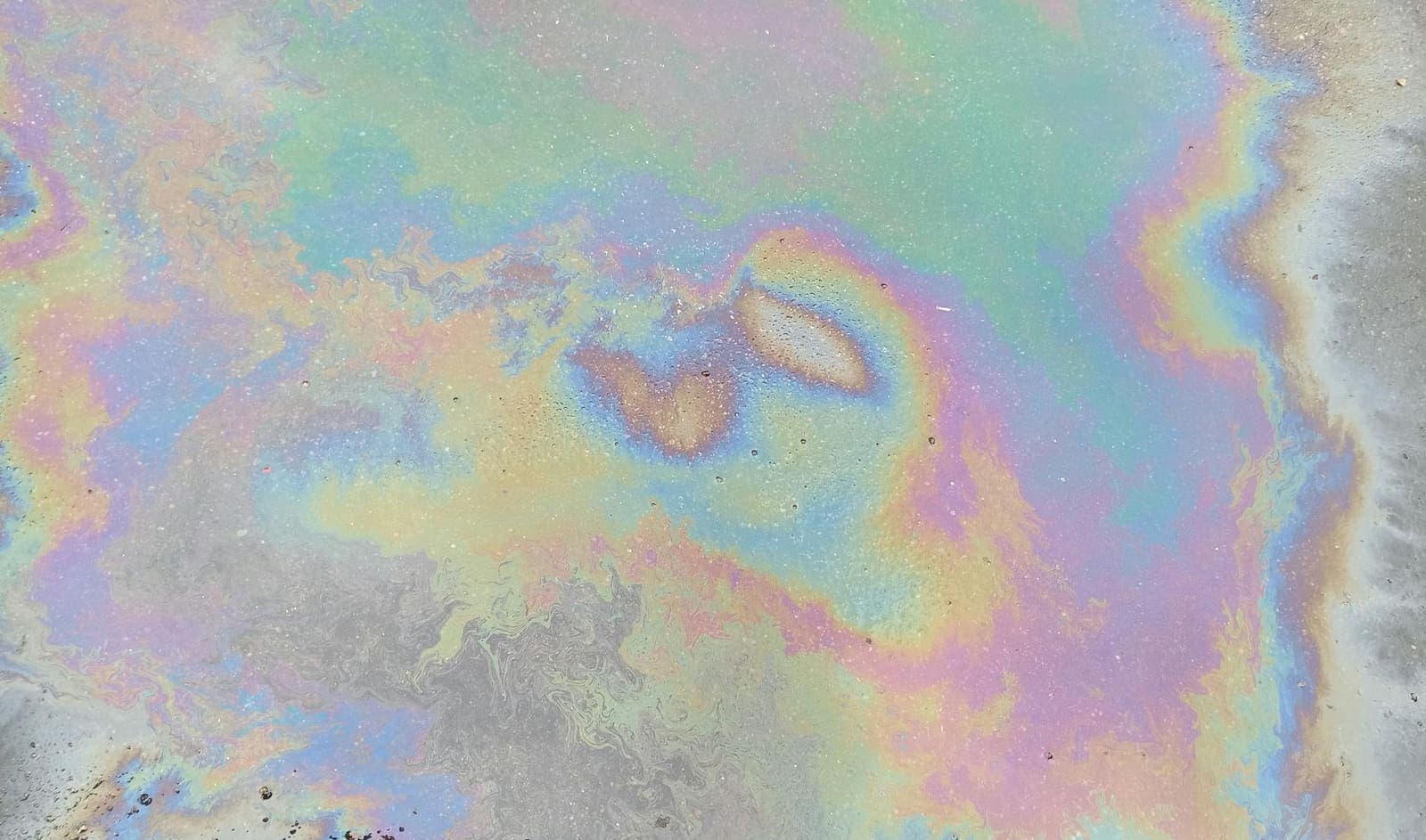
Table of Contents
Color shift vinyl — also called chameleon wrap, flip wrap, or color flip wrap — changes appearance based on the angle you view it from. A car wrapped in a color shift film might look emerald green from the front, shift through teal, and appear purple from the side.
It's one of the most visually striking options in the vinyl wrap market, and demand for it has grown substantially as wrap culture has moved into mainstream automotive enthusiast communities.
How Color Shift Vinyl Works
Color shift vinyl uses interference pigments — typically pearlescent flakes or thin-film optical coatings — that reflect different wavelengths of light at different viewing angles.
The same physics that gives soap bubbles their rainbow appearance and certain butterfly wings their iridescence is engineered into the film's pigment layer. As the angle between the light source, the surface, and the viewer changes, the reflected wavelength shifts.
Different films achieve this in different ways: - Interference flake pigments — suspended metallic or pearlescent flakes that shift color based on angle - Thin-film optical coatings — layers that interfere with light waves to produce chromatic effects - ChromaFlair pigments — a specific patented technology that produces dramatic color shifts
The quality of the effect varies significantly by brand and product line.
Top Color Shift Vinyl Brands
Avery Dennison ColorFlow Series Avery's color shift line runs the full spectrum from subtle blue-to-purple shifts to dramatic green-to-gold transitions. The ColorFlow Frozen Satin series has become particularly popular — shifting color while maintaining a matte satin texture.
Price range: $12–$18/linear foot at cost
3M 2080 Gloss Flip Series 3M's color flip options are more limited in SKU count but known for consistency in batch production — important for multi-panel color matching.
Price range: $10–$15/linear foot at cost
KPMF Color Shift Collection KPMF's color shift films are widely considered the most dramatic available. Their K75400 chameleon series (available in several variants) is a go-to for enthusiast and exotic builds. The color transitions are more pronounced than most competitors.
Price range: $14–$22/linear foot at cost
Inozetek Super Gloss Flip Inozetek's color flip options sit at the premium end with deep, saturated shifts. Popular in the luxury and exotic vehicle market.
Price range: $16–$24/linear foot at cost
What Color Shift Wraps Cost
Color shift wraps carry a material premium over standard solid colors, plus higher labor due to the precision required in alignment to ensure the color shift looks intentional and consistent across panels.
| Vehicle type | Estimated price range |
|---|---|
| Car full wrap | $4,500–$7,000 |
| SUV full wrap | $5,000–$8,000 |
| Pickup truck full wrap | $4,500–$7,000 |
| Partial wrap (hood + roof) | $1,800–$3,000 |
The premium over a standard solid wrap is typically 40–70% due to material cost and installation complexity.
Installation Challenges
Color shift films require more care than solid-color installs:
Panel alignment matters more. When vinyl is cut at panel seams, the color shift continues across panels. If adjacent panels aren't aligned in the same orientation, the shift direction won't match — and the effect looks accidental rather than intentional. Some installers prefer to wrap panels continuously (no seams) where possible.
Wrinkles and tunnels show more. Texture imperfections visible in solid colors become even more apparent in color-shifting films because the interference effect varies in areas of stress or inconsistent stretch.
Light coverage at edges. The color shift effect is most pronounced in the center of large panels and can look different at sharp edges or high-wrap areas. Brief the customer on what to expect.
Batch consistency. For multi-vehicle fleet applications, color shift vinyl can vary between production batches. Order all material for a job from the same batch.
Who Buys Color Shift Wraps
The typical color shift customer:
- •Enthusiast or collector car owners who want a unique, head-turning finish
- •Show car and event vehicle owners
- •Exotic vehicle owners looking for a premium finish that can't be replicated in paint affordably
- •Social media-active car owners who want content
Color shift customers are generally less price-sensitive than standard wrap customers — they're coming to you for a premium result and expect to pay for it. Don't apologize for the price. Present it as a premium finish that very few shops have the skill to do well.
Photography for Your Portfolio
Color shift wraps photograph exceptionally well — but you need to capture the effect correctly. Shoot from multiple angles in natural light to show the color transition. Golden hour (sunrise/sunset) produces the most dramatic shifts. Include a 360-degree walk-around video showing the full range of the effect.
These assets are valuable marketing material. Color shift portfolio content consistently outperforms solid-color content on Instagram and TikTok.
Track every color shift job in Wraptor with material batch numbers, installation notes, and customer photos — so you can reproduce results and handle warranty questions confidently.

The Wraptor Team
Wrap-industry veterans
The Wraptor team is made up of wrap-industry veterans — shop owners, installers, and designers — writing about pricing, materials, and shop operations from inside the trade.
▚ Keep reading · For Wrap Buyers
▚ Next steps
The Wraptor Newsletter
Pricing data, material tips, and business strategies delivered weekly.